Opens
Check status
Registration is now closed.
The registration period for the competition has now ended.
Thank you all for your interest.
The registration period for the competition has now ended.
Thank you all for your interest.
This overview provides essential information, rules, etiquette, and things every new racer needs to know for safety and the best possible experience on the track.
Focus on the completeness of "security vulnerabilities".“
Race track-level safety standards are "higher" than regular riding.
Every rider must remember this: "For their own safety and the safety of others."“
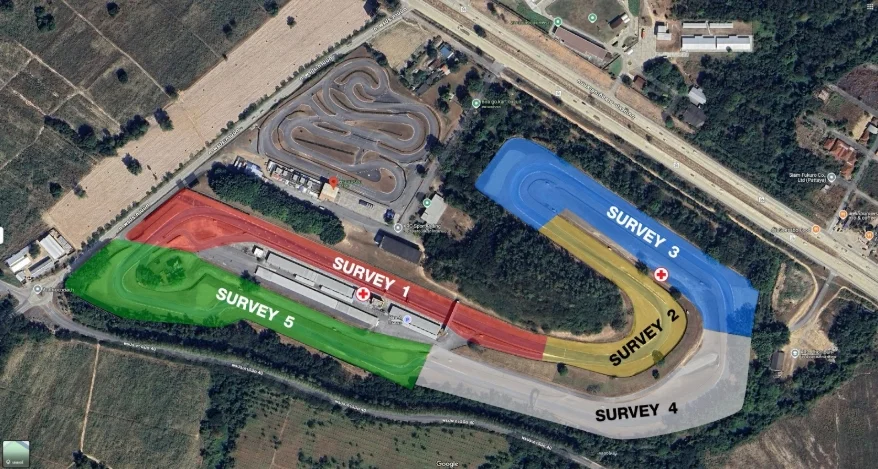
If a driver misses the pit lane open period and the pit lane is closed, they will forfeit their right to park on the grid entirely, regardless of whether they arrive in time for the warm-up (formation lap) or not.
Meeting to discuss and agree on the rules.
In 2026, to maintain consistency, the organizers would like to request everyone to attach the sticker they received to the front of their vehicle (where it is clearly visible).
The safety and support team for the track day event.
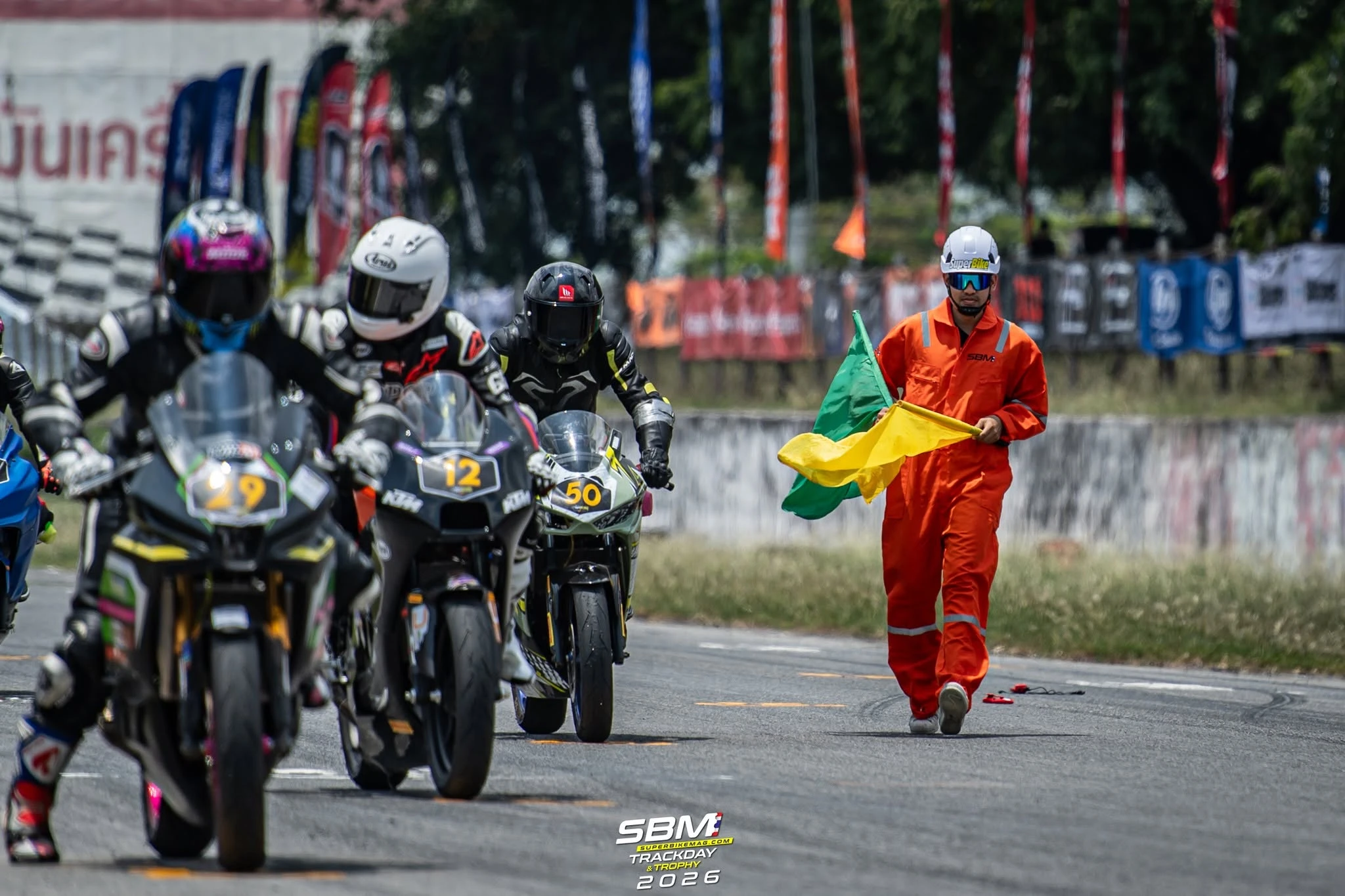
ensures track safety, manages race flags, and assists riders in emergency situations.
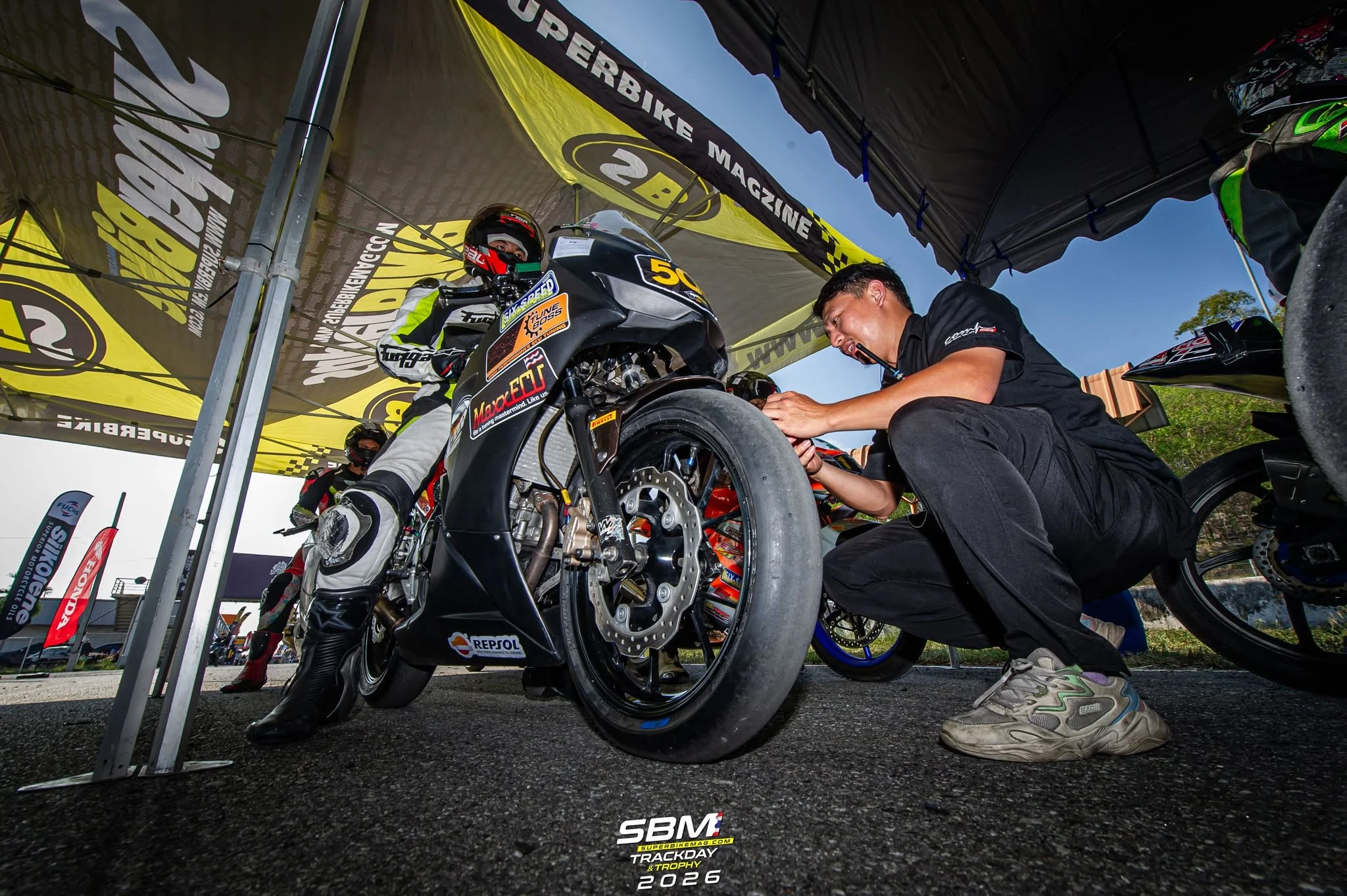
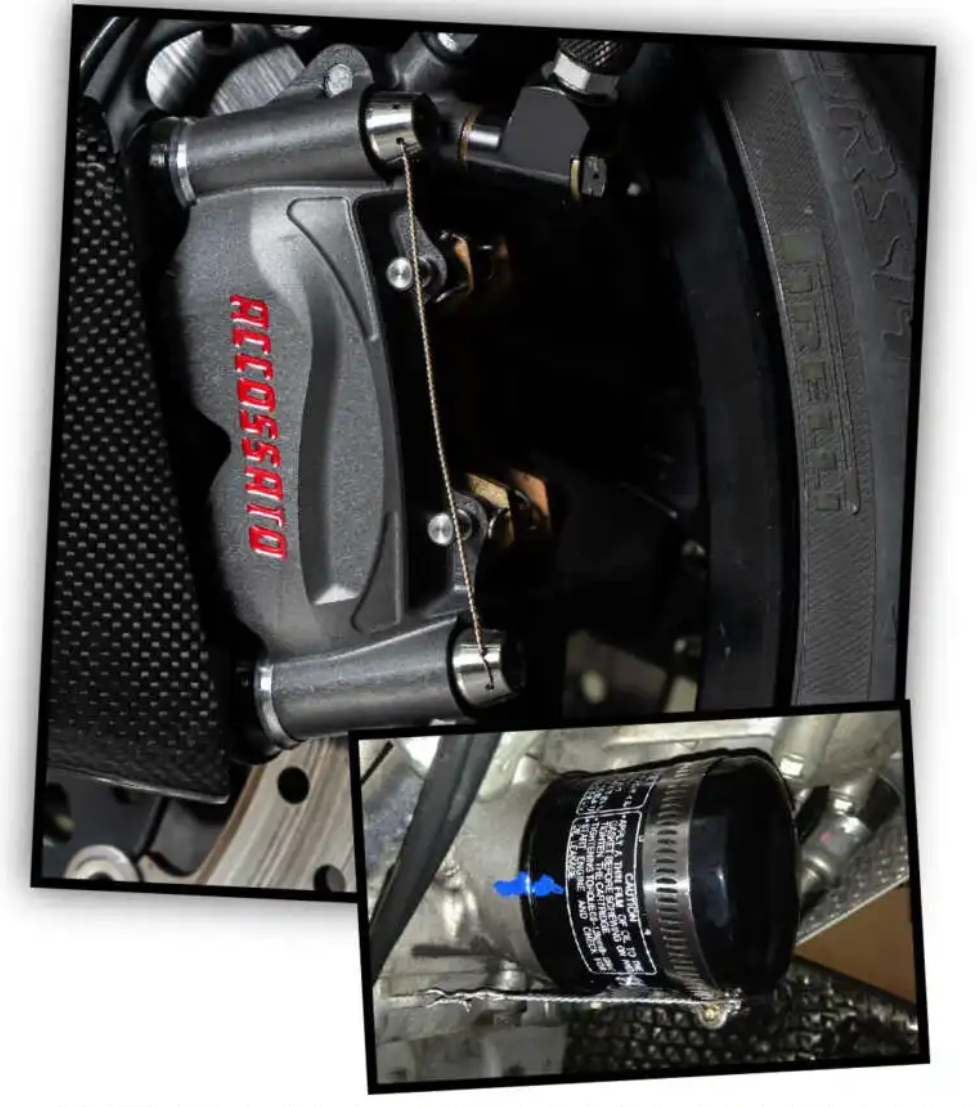
inspects motorcycles and equipment before track sessions to ensure rider safety.
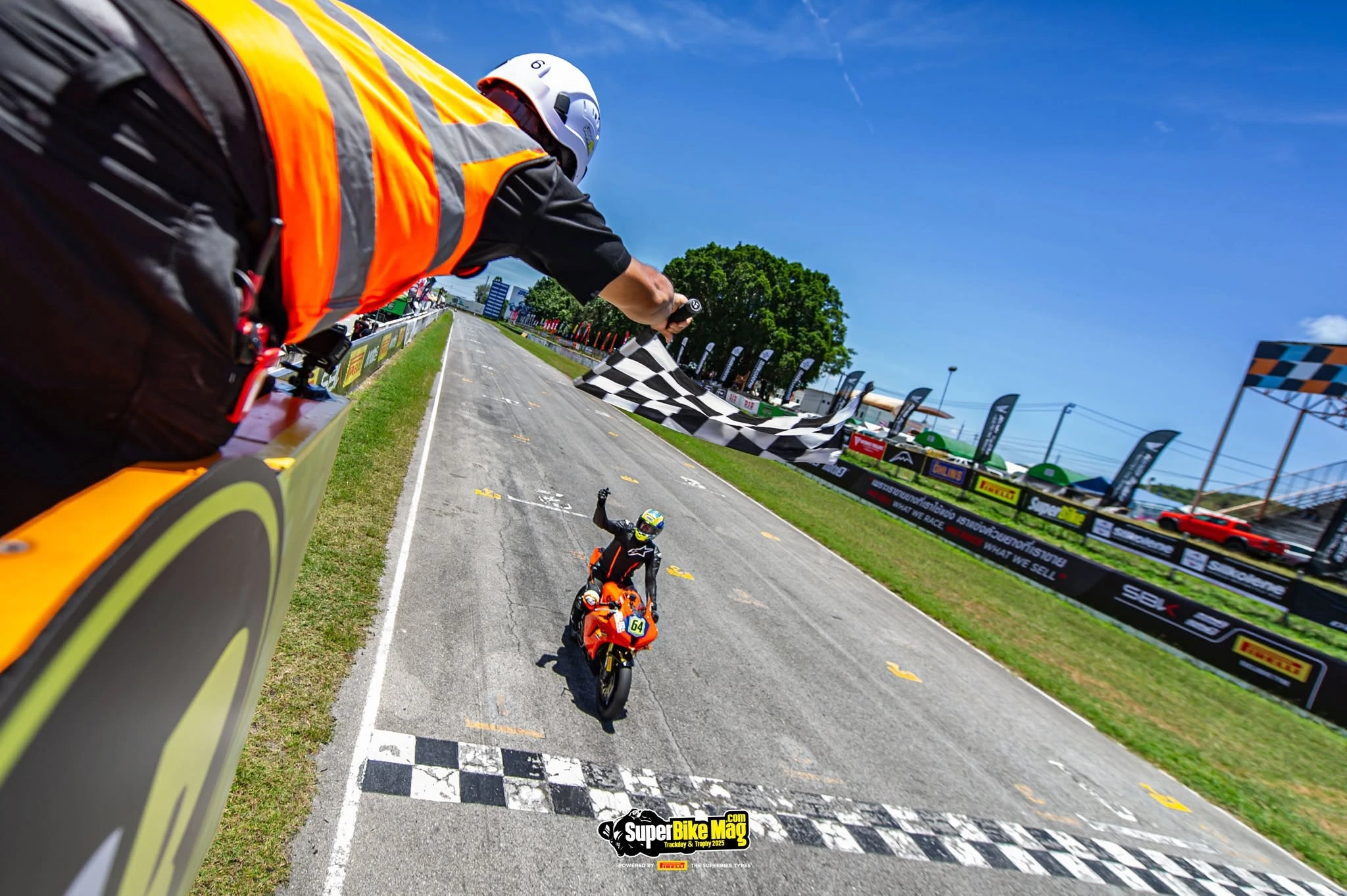
manages race timing, lap records, and official results throughout the event.
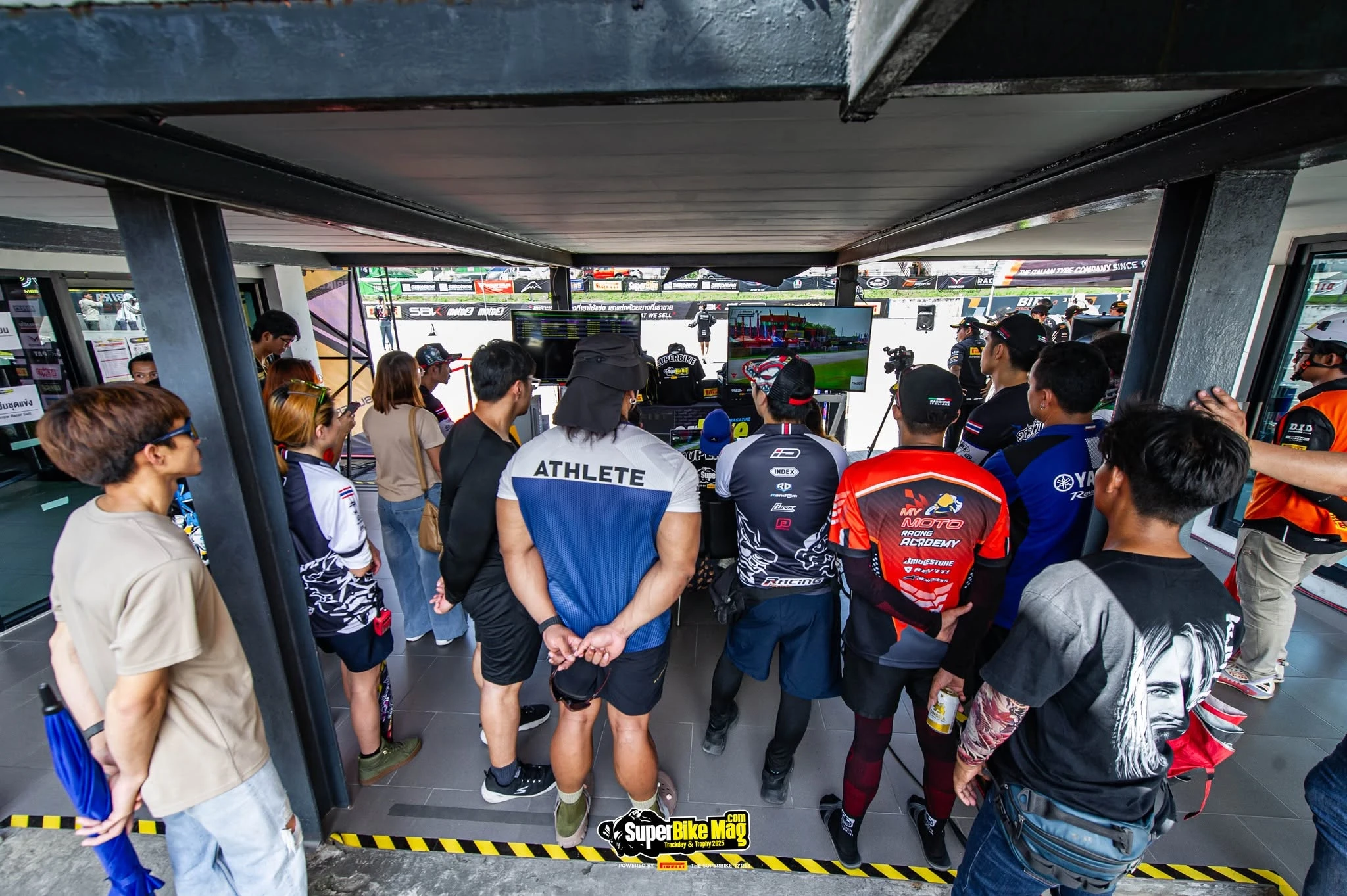
broadcasts the race live and provides real-time updates for viewers and event staff.
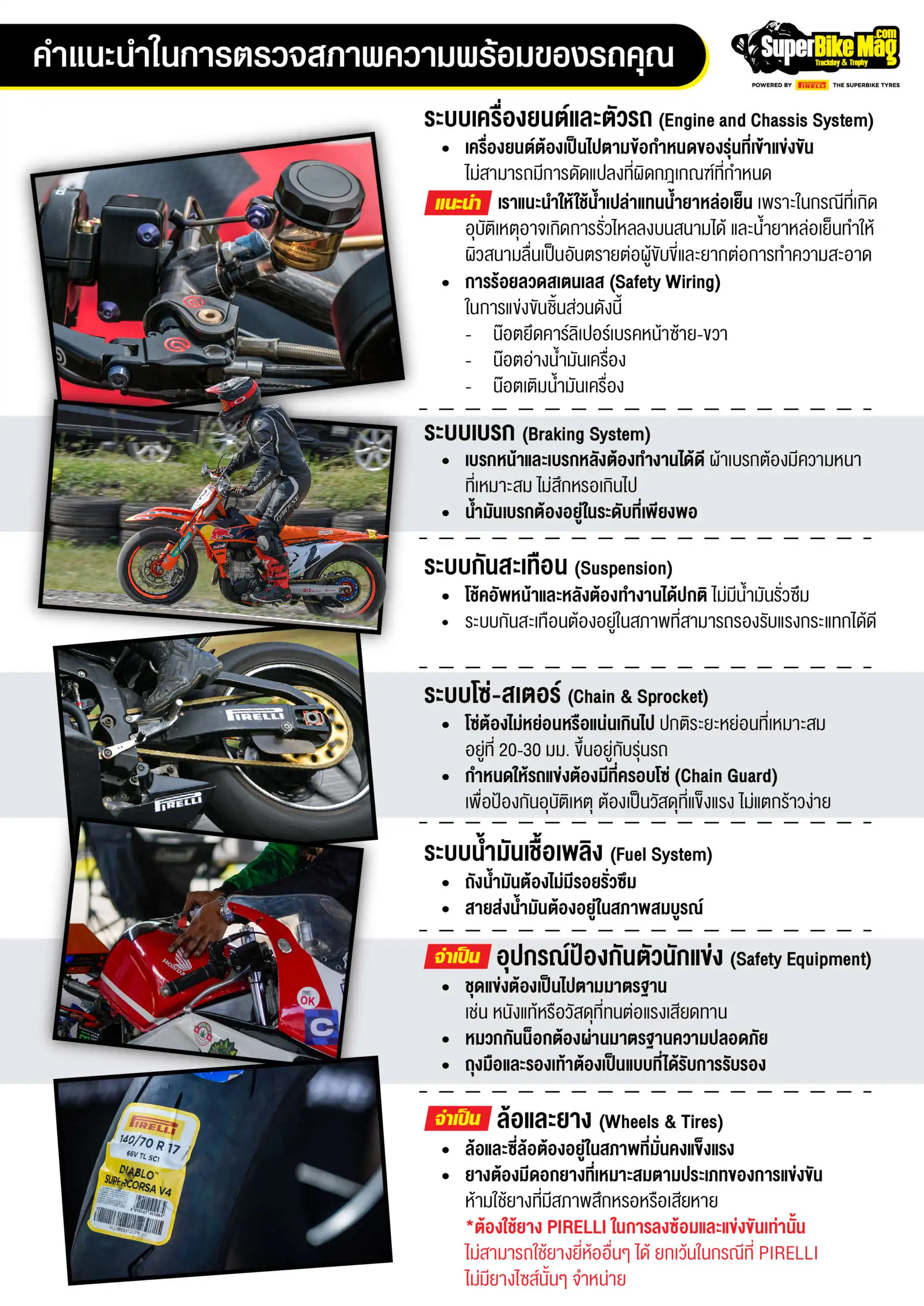
Guidelines for checking your vehicle's readiness: Safety on the track is paramount. All racers are advised to thoroughly study and inspect their vehicles according to established standards.
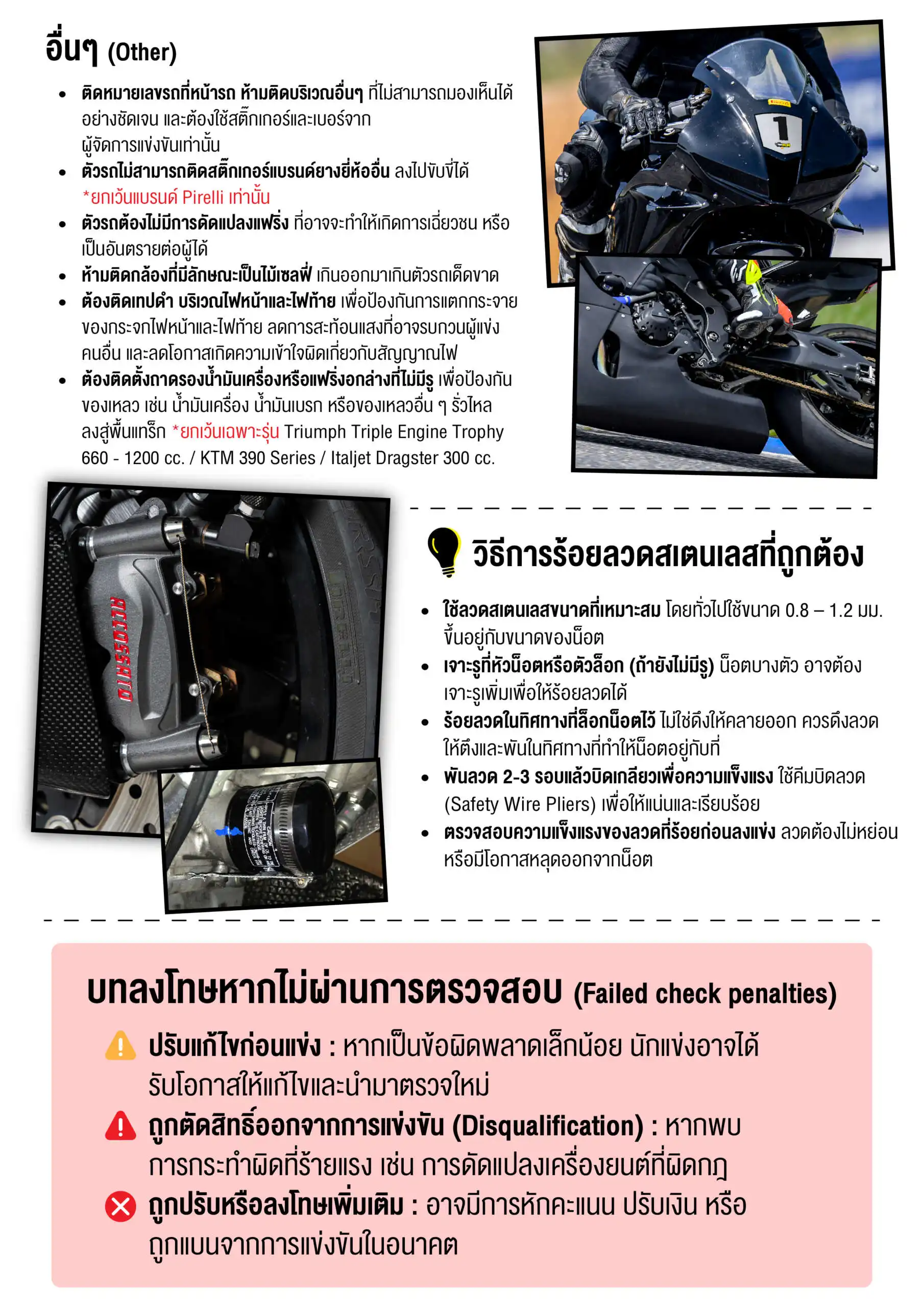
If a race car fails a safety inspection, there will be different penalties depending on the level of the problem, as follows:
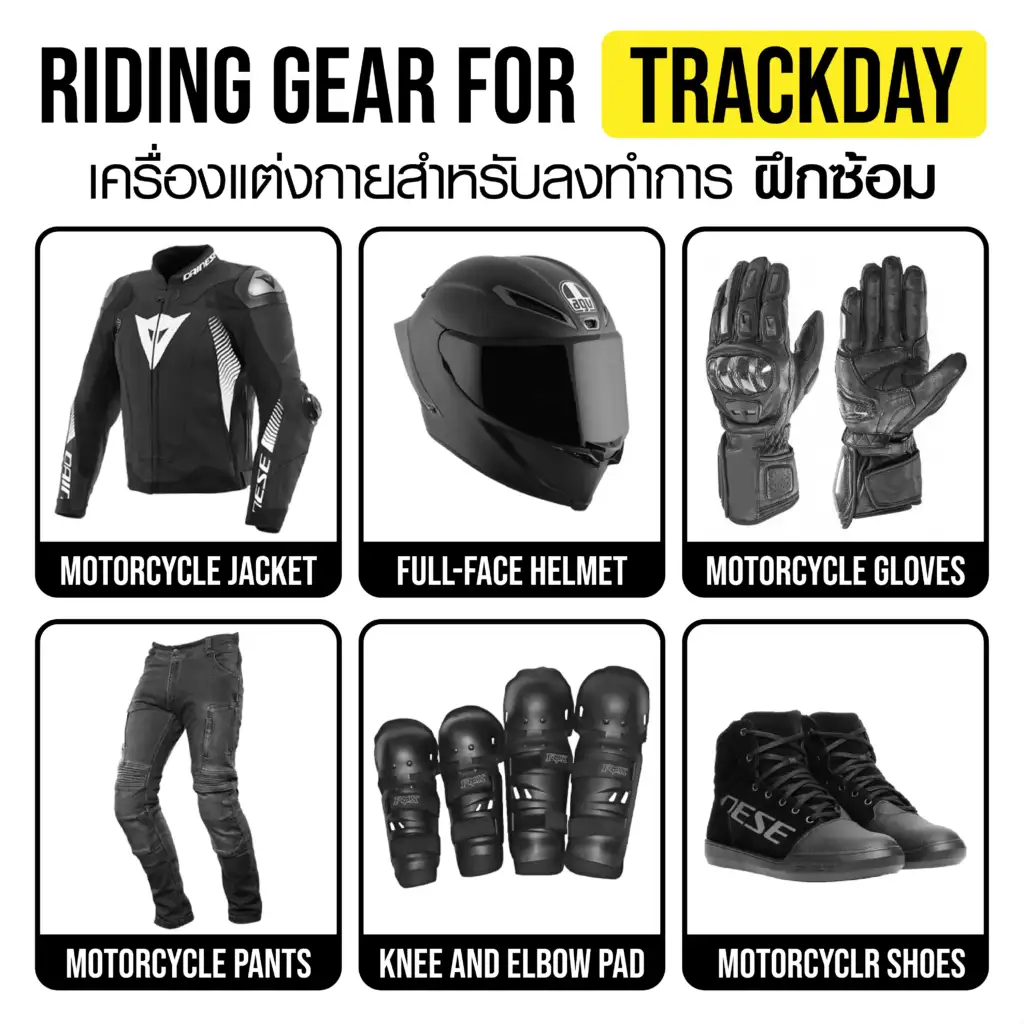
Racing rider protective equipment must meet international standards to ensure maximum safety on the racetrack.
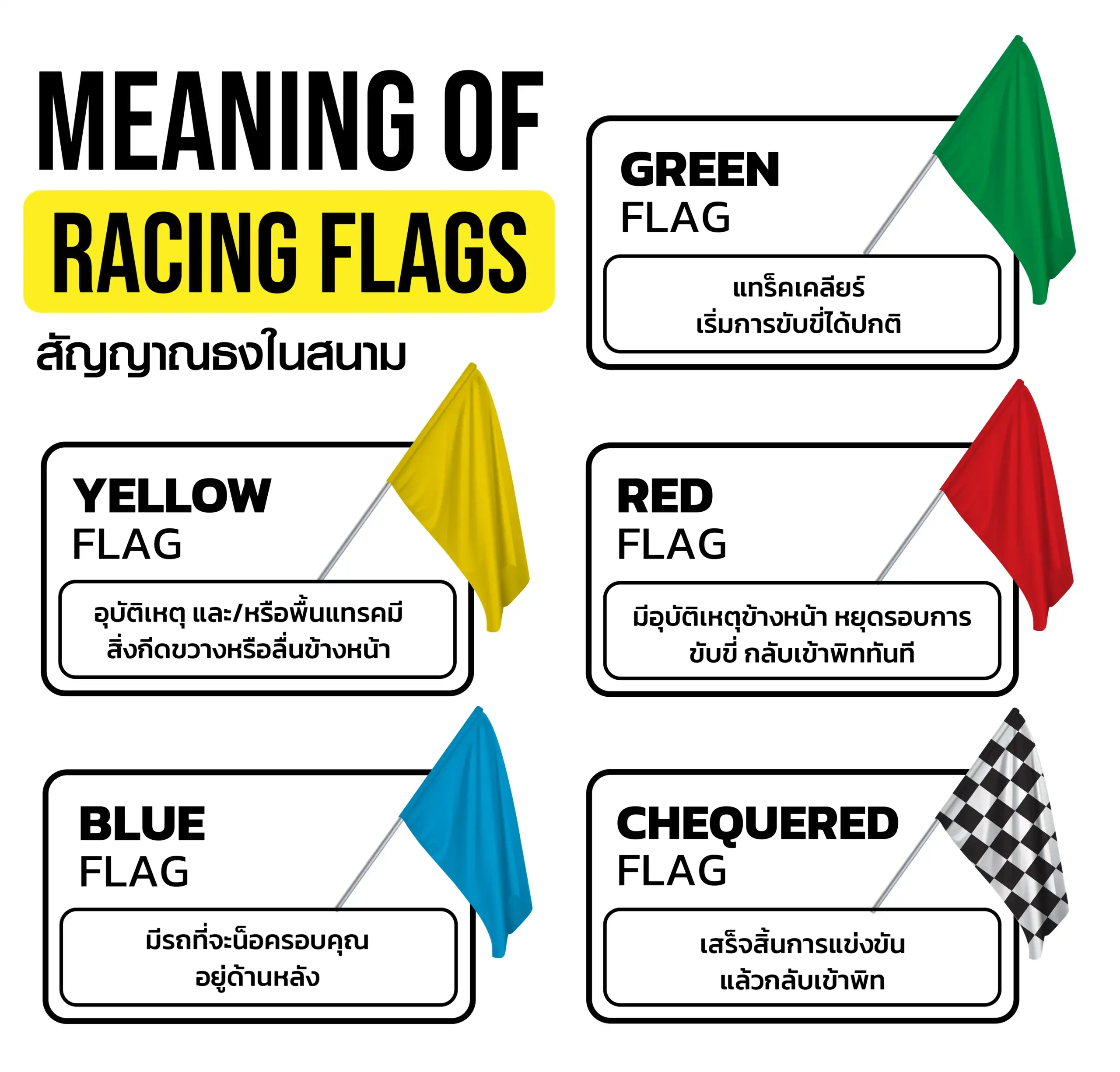
Safe to start or continue the race. Use after the danger zone or the start of the race.
There is danger ahead. Reduce speed. Do not overtake. There may be a fallen vehicle or an oil spill.
The field surface is slippery; exercise extra caution.
Stop the race immediately. Return to the pit lane. Absolutely no accelerating or overtaking.
Those who are being lapped must make way for the leader to pass first.
There are ambulances or rescue vehicles on duty on the track.
The race is over. Slow down and return to the pit.